That sudden, sharp pain when you drink ice water or eat ice cream can be surprising. If you’ve wondered why your teeth are sensitive to cold, the answer isn’t always a cavity.
Cold tooth sensitivity can be caused by exposed dentin, gum recession, enamel wear, cavities, or cracked teeth. Some causes respond to simple changes at home, while others need professional attention. Understanding the cause comes before choosing treatment.
What Causes Teeth to Be Sensitive to Cold?
Gum recession and exposed roots
When gums recede, they can expose root surfaces that are more sensitive to cold, air, and brushing.
Worn tooth enamel
Acid exposure, tooth wear, and brushing habits can contribute to enamel loss, allowing temperature changes to affect the underlying dentin.
Cavities and tooth decay
Decay can cause sensitivity, but not every sensitive tooth has a cavity, and not every cavity causes pain.
Cracked teeth
A cracked tooth may cause sharp pain with chewing or temperature changes. Some cracks require careful testing to identify.
Grinding and clenching
Grinding or clenching can contribute to tooth wear and fractures that may lead to sensitivity. Read more about teeth grinding and clenching.
Recent dental treatment
Temporary sensitivity can occur after fillings, crowns, whitening, or other procedures. Contact your dentist if it persists or worsens.
Does Cold Sensitivity Mean I Need a Root Canal?
Not necessarily. A brief sensation that stops when the cold is removed can occur with exposed dentin and several other conditions. Pain that lingers after the cold is gone deserves evaluation because it may indicate inflammation inside the tooth. Cold sensitivity alone cannot establish whether root canal treatment is needed.
How Can You Help Sensitive Teeth?
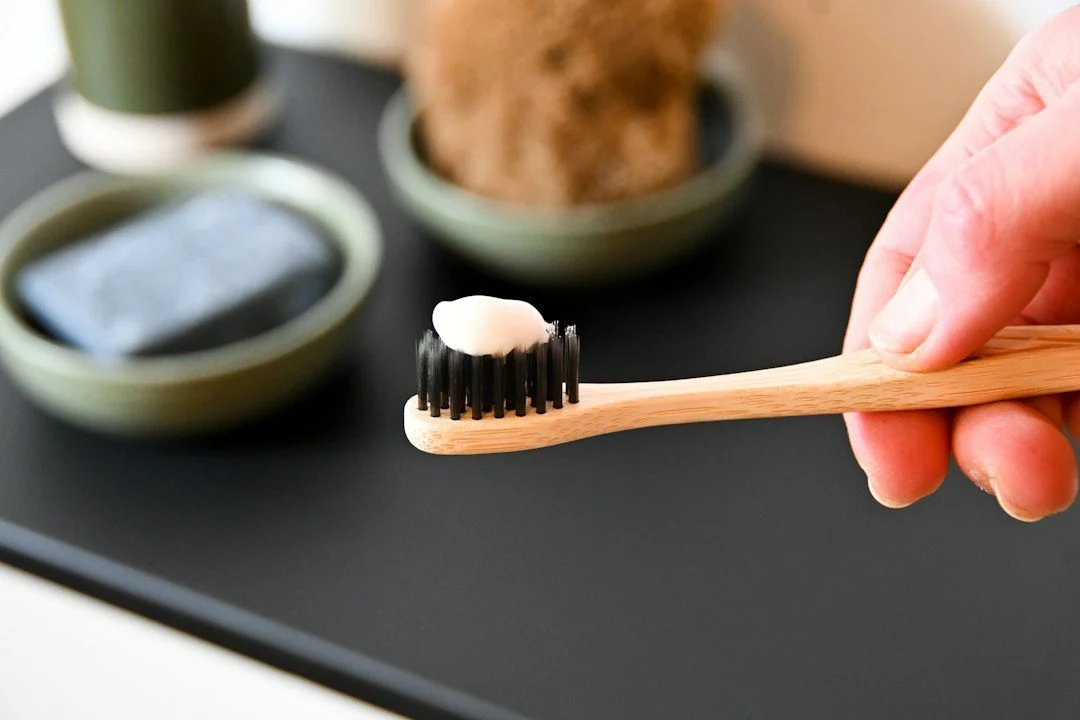
- Try a toothpaste specifically designed for sensitive teeth, following its instructions consistently.
- Brush gently with a soft-bristled toothbrush.
- Limit frequent acidic drinks and foods.
- Ask whether fluoride or another protective treatment may help.
- Arrange an examination if symptoms persist, worsen, or affect one tooth in particular.
Sometimes prevention and monitoring are enough. Other times, a cavity, fracture, or other problem needs treatment.
When Should You See a Dentist?
Arrange an evaluation for sensitivity that is new, worsening, localized to one tooth, lingers after cold exposure, or occurs with chewing. Spontaneous pain or pain that wakes you at night also deserves attention. Severe pain, facial swelling, or fever warrants prompt care. Difficulty breathing or swallowing with swelling requires emergency medical attention.
Frequently Asked Questions
Why does just one tooth hurt with cold water?
A single sensitive tooth may have recession, decay, a crack, or another localized problem. An examination can help identify the cause.
Can cold tooth sensitivity go away on its own?
Sometimes temporary irritation improves, but sensitivity from decay or structural damage may need treatment.
Does sensitivity always mean a cavity?
No. Exposed dentin, gum recession, enamel wear, cracks, and recent dental procedures are other possibilities.
What if my tooth keeps hurting after the cold is gone?
Lingering pain can suggest inflammation within the tooth and should be evaluated, especially when worsening.
Conservative Dental Care in Peoria, Arizona
At Dawson Dental, Dr. Brandon Dawson focuses on understanding the problem, explaining the options, and recommending care that makes sense. We welcome patients from Peoria, Vistancia, Sun City, and surrounding Northwest Valley communities. If you’re concerned about tooth sensitivity, contact Dawson Dental to arrange an evaluation.
Dr. Dawson’s Two Cents
When patients come in with general tooth sensitivity, I often recommend starting with a toothpaste designed for sensitive teeth. It’s simple, inexpensive, and sometimes that’s all it takes to make a difference. I’ve always believed in trying the easiest, most conservative solution first before considering more involved treatment.
Photo: Nik / Unsplash.