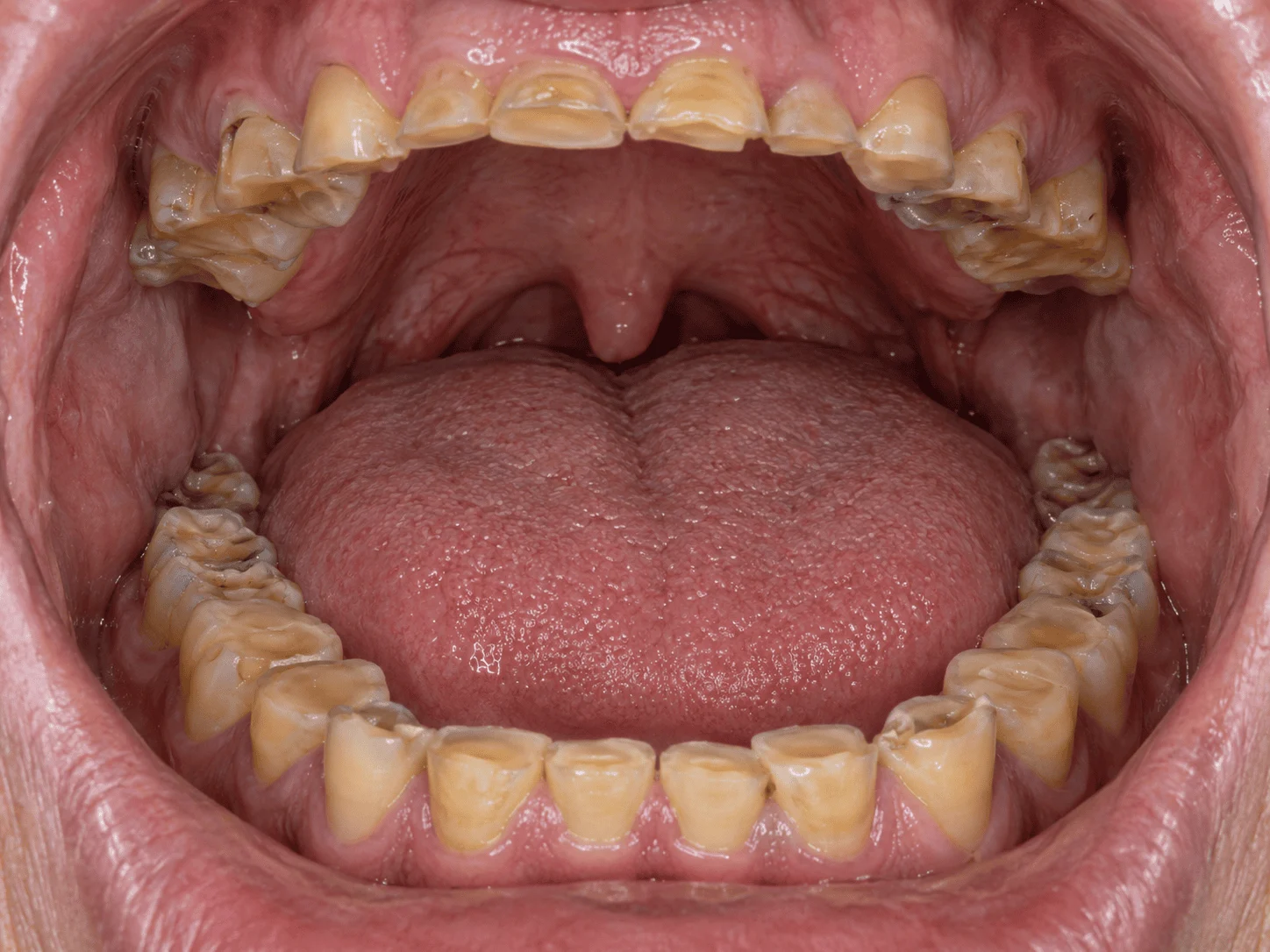
Grinding and clenching can leave a very recognizable pattern in the mouth: flattened or shortened teeth, chips, fractures, sensitivity, worn restorations, sore jaw muscles, and sometimes morning headaches. When those problems become severe, it is natural to focus on protecting or rebuilding the teeth.
That part matters. But sometimes the more important question is why the damage is happening in the first place.
Bruxism and sleep-disordered breathing can occur in the same patient, and researchers continue to study how the two may be related. The relationship is not simple enough to say that grinding means someone has sleep apnea. It does mean that, when significant tooth wear or nighttime clenching is accompanied by snoring, gasping, witnessed breathing pauses, morning headaches, dry mouth, or daytime fatigue, it can be worth looking at the bigger picture.
What is bruxism?
Bruxism refers to repetitive jaw-muscle activity that may include grinding or clenching the teeth or bracing the jaw. It can occur while awake or during sleep, and those are considered different behaviors. Some people are aware that they clench during the day. Others have no idea what is happening at night until a spouse hears grinding or a dentist notices the effects on the teeth.
Signs that may be associated with bruxism include:
- Flattened, shortened, or heavily worn teeth
- Chipped or fractured enamel
- Broken fillings, crowns, or other restorations
- Tooth sensitivity
- Jaw-muscle fatigue or soreness
- Morning headaches or facial discomfort
- Indentations along the sides of the tongue or other signs of repeated pressure
Stress and habits can certainly contribute to clenching, particularly during the day. Sleep bruxism is more complex and can occur around changes in sleep stage, brief arousals, autonomic nervous-system activity, medications, and other sleep-related factors.
What does the airway have to do with grinding?
Obstructive sleep apnea (OSA) occurs when the upper airway repeatedly narrows or closes during sleep, causing breathing disturbances and sleep disruption. Many of these events end with a brief arousal as the body works to restore normal breathing.
Sleep bruxism also frequently occurs around brief arousals from sleep. Because both conditions can involve changes in sleep, muscle activity, and the autonomic nervous system, researchers have investigated whether there is a meaningful connection between them.
The answer is still developing. A 2024 systematic review and meta-analysis did not find a statistically significant overall increase in sleep bruxism among patients with OSA, and the authors noted that the quality of the available evidence was limited. A 2026 umbrella review found that many previous reviews reported frequent coexistence of OSA and sleep bruxism and suggested possible shared mechanisms such as micro-arousals and autonomic activation. However, that review also emphasized that the evidence is heterogeneous and does not establish a simple cause-and-effect relationship.
In other words: grinding does not mean you have sleep apnea, and sleep apnea does not mean you will grind your teeth. But the two can occur together, and significant bruxism may be one piece of information worth considering when other sleep or airway concerns are present.
When does tooth wear make us look beyond the teeth?
A worn tooth is not a diagnosis by itself. Tooth wear can result from grinding, dietary or gastric acid exposure, bite relationships, habits, age, missing teeth, and combinations of several factors. That is why a comprehensive evaluation matters.
When we see substantial wear or repeated restorative failures, we want to understand the forces acting on the mouth. If the same patient also reports symptoms such as loud snoring, witnessed pauses in breathing, waking up choking or gasping, morning headaches, dry mouth, unrefreshing sleep, or excessive daytime sleepiness, sleep-disordered breathing becomes more relevant to the conversation.
Dentists are in a useful position to notice oral findings and ask screening questions, but obstructive sleep apnea is a medical diagnosis. Appropriate diagnostic testing and interpretation are needed rather than trying to diagnose OSA from tooth wear, tongue size, or the appearance of the throat alone.
Does a nightguard solve the problem?
A properly selected nightguard can be very useful for protecting teeth and restorations from damaging forces. For many patients, that protection is an important part of treatment.
But a conventional nightguard is not a treatment for obstructive sleep apnea. If a patient has signs or symptoms that raise concern about sleep-disordered breathing, simply protecting the teeth may not address the entire problem. That is where screening, communication with the patient’s medical provider, and appropriate sleep testing can become important.
At Dawson Dental, our goal is not to turn every patient who grinds into a sleep-apnea patient. It is to avoid overlooking relevant information. Sometimes the appropriate answer really is to protect the teeth. Sometimes damaged teeth need strong restorative treatment. And sometimes the pattern in the mouth gives us a reason to ask a few more questions.
Protecting the teeth while looking at the whole patient
Severely worn teeth may eventually require bonding, crowns, onlays, or other restorative treatment to restore strength, comfort, appearance, and function. The best plan depends on how much healthy tooth remains, the patient’s bite, the pattern and cause of the wear, and the amount of force the restorations will need to tolerate.
For patients with possible airway or sleep concerns, we can also discuss whether further evaluation is appropriate. Learn more about our Dental Sleep Medicine approach. Dawson Dental works with physicians when medical diagnosis or treatment of obstructive sleep apnea is needed, and patients who require additional sleep-focused care can also learn more through Restful Sleep Center.
Dr. Dawson’s Two Cents
I’m always happy to help patients protect their teeth, prevent further damage, and restore worn or broken teeth with strong restorations designed to last. But it’s important to remember that repairing the damage isn’t always the whole story. I believe in taking a comprehensive look at each individual and asking why their mouth is presenting the way it is. Understanding the possible causes behind the wear, clenching, or breakdown can help us choose the most appropriate way to protect the teeth and address the bigger picture—not just fix what has already happened.
When should you bring it up with your dentist?
If your teeth are becoming noticeably shorter, repeatedly chipping or breaking, or you are waking with jaw soreness or headaches, it is worth discussing. The same is true if someone has told you that you grind loudly at night.
If those dental concerns occur along with snoring, gasping, witnessed breathing pauses, or persistent daytime fatigue, tell us that too. Those details can help determine whether protecting the teeth is enough or whether a broader sleep and airway evaluation should be considered.
Dawson Dental provides conservative care and honest recommendations for patients in Peoria and the surrounding Northwest Valley. If you are concerned about severe tooth wear, clenching, grinding, or possible sleep-related breathing issues, call (623) 566-1310 to request an appointment.
References
- Lobbezoo F, et al. International consensus on the assessment of bruxism: Report of a work in progress. Journal of Oral Rehabilitation. 2018.
- Błaszczyk B, et al. Sleep bruxism may be not associated with obstructive sleep apnea: A comprehensive assessment employing a systematic review and meta-analysis. Sleep Medicine Reviews. 2024.
- Pereira KK, Pereira IF, Machado Júnior AJ. Possible association between obstructive sleep apnea syndrome and sleep bruxism in adults: an umbrella review. Sleep Medicine. 2026;147:109129. Published online July 9, 2026.
- American Academy of Sleep Medicine. Clinical use of a home sleep apnea test: an updated position statement.
This article is for general educational purposes and is not a diagnosis. Tooth wear, bruxism, snoring, oral anatomy, or any single dental finding cannot by itself diagnose obstructive sleep apnea. Appropriate evaluation and testing should be based on the individual patient.